Essential Trimming Tools Every Potter Should Own
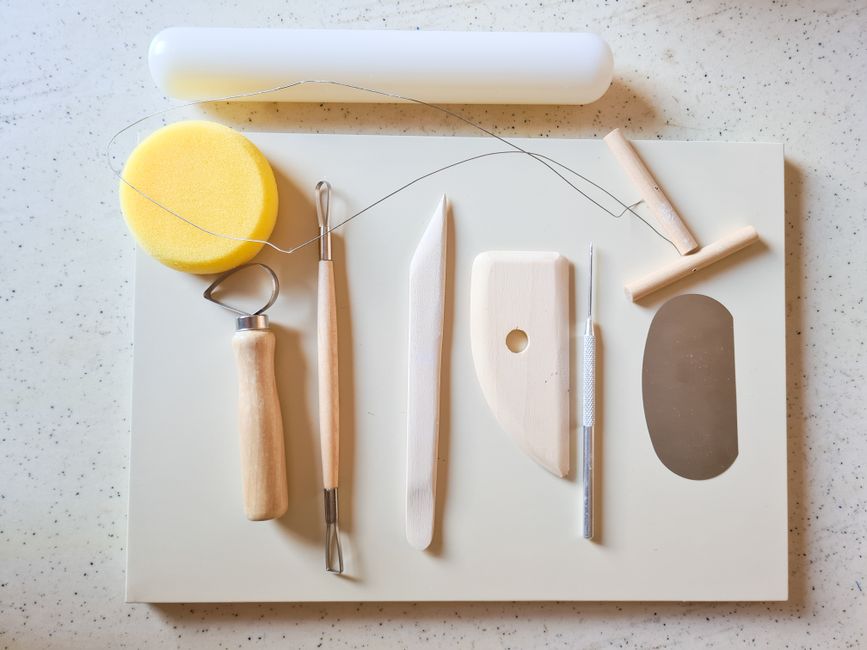
Trimming is a critical step in the pottery-making process, where excess clay is removed from a leather-hard piece to refine its shape, reduce weight, and add details such as foot rings. The quality of the final surface often depends on the tools used and the technique applied. Without the appropriate instruments, even a well-thrown pot can lose its balance or develop unsightly marks. Understanding the purpose and application of each trimming tool helps potters achieve cleaner results with greater control.
Among the most common tools are wire tools, loop tools, and ribs. Each serves a distinct function, from cutting away bulk material to smoothing curved surfaces. While some tools are designed for rapid removal, others focus on delicate finishing work. The choice of tool depends on the stage of trimming, the clay body, and the desired outcome. This article provides an overview of these essential tools and explains how they are typically used in a trimming process.
Wire Tools for Cutting and Shaping
Wire tools consist of a thin, flexible wire stretched between two handles or a single handle with a looped wire. They are primarily used for cutting off large amounts of clay, such as when separating a pot from the bat or trimming a thick foot ring. The wire’s thin profile allows it to slice through clay with minimal friction, leaving a clean edge. Because the wire is flexible, it can follow the contour of the piece, making it useful for undercutting or trimming the base of a bowl.
Different wire thicknesses and lengths affect how the tool behaves. A thinner wire cuts more easily but may snap under heavy use, while a thicker wire is more durable but requires more force. Some wire tools have a single handle with a wire loop, often called a wire loop tool, which is used for fine trimming and carving details. When using a wire tool, the potter typically holds it at a shallow angle and draws it across the rotating clay, allowing the wire to shear away material evenly.
One common application is trimming the foot ring of a mug or bowl. The potter positions the wire at the desired depth and pulls it steadily toward the edge, removing a ribbon of clay. This technique requires a steady hand and a consistent rotation speed to avoid gouging or uneven cuts. Wire tools are also effective for removing the sharp edge left after trimming, giving the piece a smooth transition between surfaces.
Loop Tools for Hollowing and Smoothing
Loop tools feature a metal loop attached to a handle, with the loop shape varying from round to diamond or tear-drop. The sharpened inner edge of the loop cuts into the clay, while the outer edge can be used for smoothing. These tools are especially useful for hollowing out areas such as the inside of a foot ring or the bottom of a deep bowl. The loop design allows the potter to remove clay from concave surfaces that are difficult to reach with a wire tool.
The size and shape of the loop determine the tool’s primary function. Small round loops are ideal for delicate detail work, such as cleaning up the junction between a handle and a body. Larger oval loops remove more material quickly, making them suitable for initial trimming passes. Diamond-shaped loops offer both a sharp point for cutting and a straight edge for scraping. When selecting a loop tool, the curvature of the loop should match the profile of the pot to maintain consistent contact.
During trimming, the loop tool is held with the loop facing the direction of motion. The potter applies light pressure and allows the sharp edge to slice through the clay. Too much force can cause the tool to dig in or leave deep scratches. By adjusting the angle, the potter can control the depth of cut. After the bulk of excess clay is removed, the loop tool can be used to refine curves and create smooth, flowing lines. Many potters keep several loop tools of different sizes on hand to accommodate various shapes.
Ribs for Finishing and Compressing
Ribs are flat or curved tools made from materials such as metal, wood, rubber, or plastic. Unlike wire and loop tools, ribs do not cut aggressively; instead, they shape, compress, and smooth the clay surface. Metal ribs, often made of stainless steel, have a sharp edge that can shear thin layers of clay while also burnishing the surface. Wooden ribs are gentler and absorb moisture, which can be helpful when working with softer clay. Rubber or silicone ribs provide even more flexibility and are used for creating soft, organic curves without leaving marks.
The use of ribs is common after the initial trimming with wire or loop tools. Once the excess clay is removed, a rib can be used to refine the shape, eliminate tool marks, and compress the clay to strengthen the rim or foot. The rib is held flat against the rotating pot, and the potter moves it along the surface to create consistent thickness. This process also helps to align the clay particles, reducing the risk of cracking during drying.
Different rib profiles serve different purposes. A straight rib is effective for flat surfaces and straight walls, while a curved rib matches the contours of rounded bowls or vases. Some ribs have a combination of curves on opposite sides, allowing the potter to switch between shapes without changing tools. When using a rib, it is important to keep it clean and free of dried clay particles, as these can scratch the surface. Many potters prefer to use a rib after the pot has reached a slightly harder leather-hard stage for the best results.
Selecting the Right Tool for Each Stage
Trimming usually proceeds in stages. The first stage involves removing bulk clay quickly, which is where wire tools and larger loop tools are most effective. At this point, the emphasis is on speed and efficiency, not on surface finish. The potter works from the center outward, gradually reducing the thickness of the wall and floor. Once the desired thickness is approached, the focus shifts to shaping and detailing.
For shaping, loop tools with specific curvatures help define the foot ring and other structural elements. The potter may use a smaller loop to cut a clean groove or a diamond loop to create a sharp corner. After shaping, ribs are used to compress the surface and remove any remaining tool marks. A metal rib can produce a polished, almost shiny finish, while a rubber rib leaves a softer, matte texture. The choice between these finishes often depends on the final aesthetic intent of the piece.
The clay body also influences tool selection. Porcelain, being softer and more prone to tearing, benefits from sharper tools that cut cleanly. Stoneware can handle slightly more aggressive trimming, but still requires careful attention to avoid gouging. Harder clays may dull tools faster, so maintaining a sharp edge is important. Regularly honing loop tools and using fresh wire can improve the quality of the cut and reduce friction.
Tool Maintenance and Handling
Proper care of trimming tools extends their usefulness and ensures consistent results. Wire tools should be checked for kinks or fraying, as a damaged wire can leave irregular grooves. If the wire becomes loose, it can be tightened or replaced. Loop tools benefit from occasional sharpening with a fine file or stone to maintain the cutting edge. Dull loops require more pressure and can tear the clay rather than slice it cleanly.
Ribs should be cleaned after each use to prevent dried clay from building up on the edges. Wooden ribs may need to be sanded if they develop rough spots. Metal ribs can be polished to maintain a smooth surface. Proper storage, such as keeping tools in a dedicated tray or rack, prevents accidental damage and makes them easy to locate during work. By giving attention to tool condition, potters can focus on the creative aspects of trimming rather than struggling with worn equipment.
In summary, a well-equipped pottery studio includes a selection of wire tools, loop tools, and ribs, each serving a distinct role in the trimming process. Understanding how these tools interact with different clay bodies and forms allows potters to make informed choices that support clean finishes and controlled shaping. While no single tool works for every situation, having a range of options enables the potter to adapt to the unique demands of each piece. At Clay Muse, we encourage exploration of different tool combinations to discover what works best for individual workflow and style.