How to Choose the Right Clay for Your Pottery Project
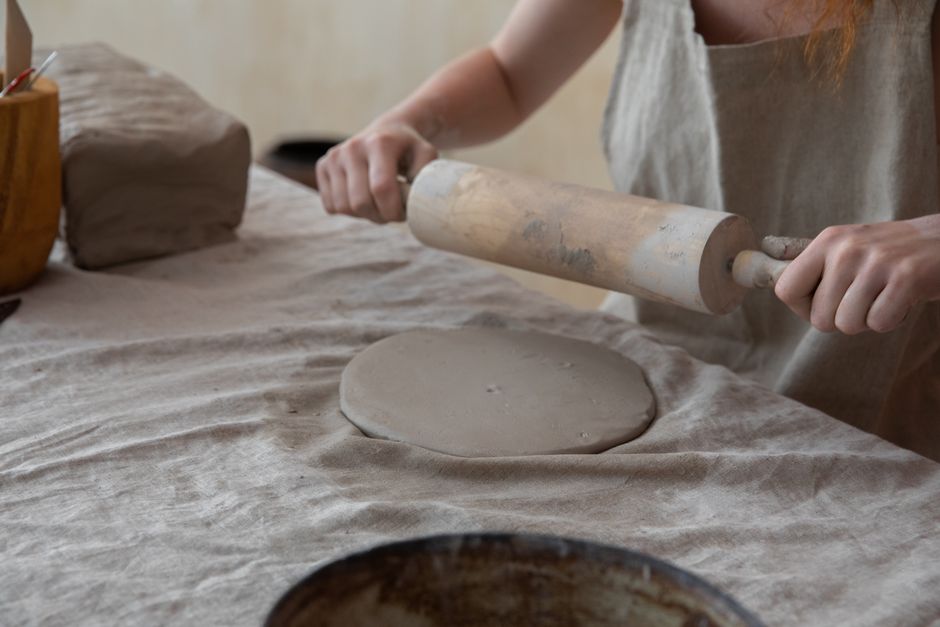
Choosing the right clay for a pottery project involves understanding the material properties, firing requirements, and the intended use of the finished piece. Clay is not a single substance but a family of materials with distinct characteristics that influence how it behaves during throwing, sculpting, glazing, and firing. The most common categories are earthenware, stoneware, and porcelain, each with its own set of working properties and firing ranges.
Before beginning a project, it is helpful to consider the type of object being made, the techniques that will be used, and the studio equipment available. Factors such as plasticity, shrinkage rate, absorption, and color after firing all play a role in determining which clay body is most suitable. This article explores the differences among the main clay types and offers a framework for evaluating them based on practical considerations.
Pottery suppliers such as Clay Muse often provide detailed specifications for each clay body, including recommended firing temperatures and typical uses. Reviewing these data sheets can support informed decision-making without relying on generalized assumptions.
Understanding Clay Types: Earthenware, Stoneware, and Porcelain
Earthenware is a low-fire clay that matures at temperatures typically between 1800°F and 2100°F (cone 06 to cone 04). It remains porous after firing unless a glaze is applied, making it a common choice for decorative pottery, tiles, and flower pots. Earthenware clays are generally more plastic and forgiving during forming, which can be helpful for beginners or for projects that require intricate hand-building. However, the finished pieces are less durable and may not be food-safe without proper glazing.
Stoneware fires at higher temperatures, usually between 2200°F and 2400°F (cone 6 to cone 10). It becomes vitrified, or glass-like, resulting in a dense, non-porous body that is suitable for functional ware such as dinner plates, mugs, and bowls. Stoneware clays often contain grog or other additives that reduce shrinkage and increase thermal shock resistance. The colors range from buff and tan to deep brown and iron-rich reds. Because of its strength and durability, stoneware is a versatile option for both wheel throwing and hand-building.
Porcelain is a high-fire clay that matures at similar temperatures to stoneware, often between 2300°F and 2600°F (cone 10 and above). It is prized for its white color, translucency in thin sections, and smooth texture. Porcelain is less plastic than other clays and can be more challenging to work with due to its tendency to slump or warp. It requires careful handling and consistent moisture levels. Porcelain is frequently used for fine dinnerware, sculptural pieces, and decorative objects where a refined appearance is desired.
Matching Clay to Your Project Type
The intended function of a piece strongly influences clay selection. For functional ware that will hold food or liquids, a vitreous clay body such as stoneware or porcelain is often recommended because it becomes waterproof after firing. Earthenware can also be used for functional pieces if it is fully glazed, but the clay itself remains porous, which may lead to cracking or leakage over time. For sculptural or decorative projects where durability is less critical, earthenware offers a wider range of colors and surface effects.
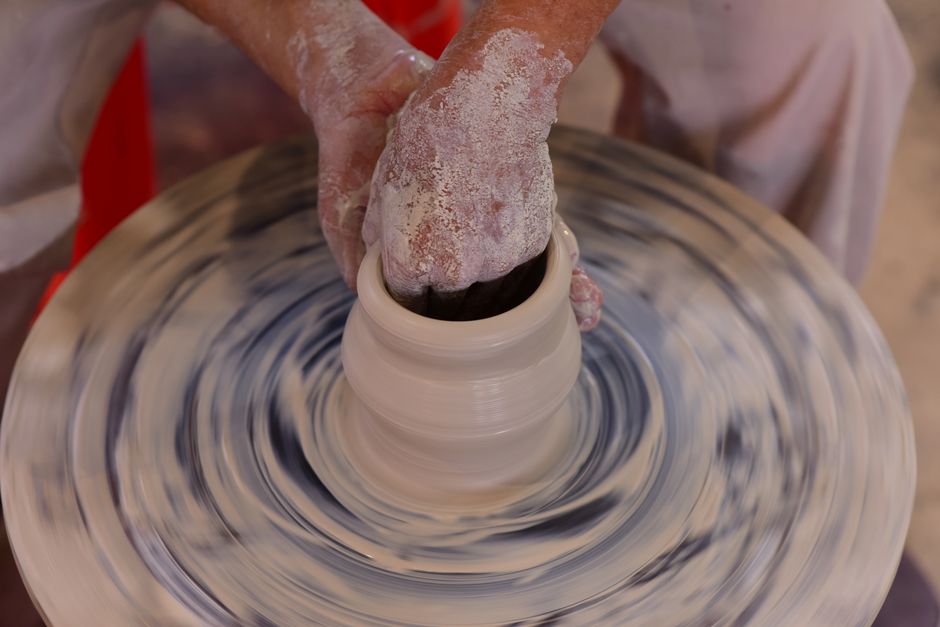
Another consideration is the forming technique. Wheel throwing generally benefits from clays with high plasticity and good workability, such as stoneware or earthenware bodies. Porcelain, while workable, requires more attention to centering and pulling. For hand-building methods like coiling or slab construction, a clay with some grog or sand can reduce the risk of cracking during drying. Sculptors often choose clays that hold detail well and do not slump easily.
Glaze compatibility is also a factor. Different clay bodies react differently to glazes due to variations in silica, alumina, and flux content. Testing a small sample before committing to a large batch can help avoid unexpected results such as crazing or shivering. Many potters keep test tiles made from each clay type they use regularly.
Firing Considerations and Shrinkage
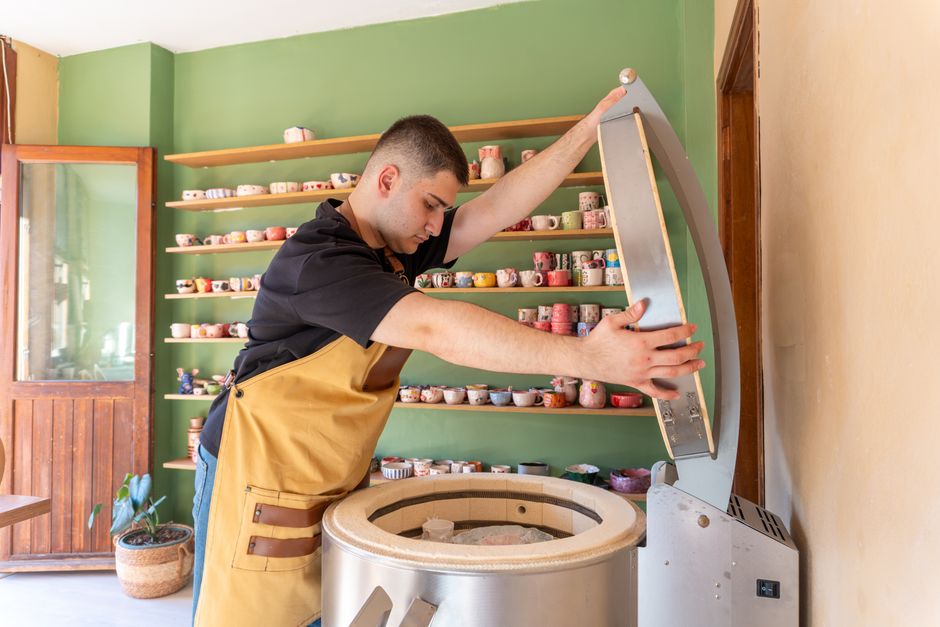
Firing temperature ranges vary by clay body, and it is essential to confirm that the clay matches the kiln capabilities. A kiln that only reaches cone 6 might not be suitable for high-fire porcelain unless a porcelain body formulated for mid-range temperatures is chosen. Some clays are designed for oxidation firing, while others respond better in reduction atmospheres. The firing schedule—ramp rate, hold times, and cooling—can also affect the final color and density of the clay.
Shrinkage is another important parameter. All clays shrink as they dry and shrink further during firing. Earthenware typically shrinks less overall (5 to 8 percent), while stoneware and porcelain may shrink 10 to 15 percent or more. This variation must be accounted for when designing molds or planning dimensions. A piece made from a high-shrinkage clay will become noticeably smaller after firing, which can be an intended effect or a problem if not anticipated. Test bars can be measured before and after firing to calculate exact shrinkage for a given clay batch.
In addition to linear shrinkage, warping is a risk, especially for flat or thin pieces. Clays with lower plasticity or those that are overworked may deform. Adding grog or sand can reduce warping but may affect surface texture. Potters often adjust their forming and drying techniques based on the specific clay’s firing behavior.
Working Properties: Plasticity, Moisture, and Texture
Plasticity refers to the clay’s ability to hold shape under pressure without cracking. High-plasticity clays are easier to throw and join, but they also tend to shrink more. Low-plasticity clays, such as some porcelains, may require the addition of bentonite or other plasticizers to improve workability. The moisture content at which the clay is used also influences handling. Stiff clay is good for carving, while softer clay is better for slip trailing or smoothing.
Texture is determined by the particle size and any added materials like grog, sand, or paper fiber. Smooth clays produce fine details but may be more prone to cracking. Textured clays can add visual interest and improve drying behavior by allowing moisture to escape more evenly. The choice of texture should align with the desired surface finish and the complexity of the form.
Storage and reclaiming practices also affect working properties. Clay that has been reused often has different plasticity and moisture content than fresh clay. It is common to wedge clay before using it to homogenize the moisture and remove air pockets. Consistency in preparation helps maintain predictable results throughout a project.
Practical Tips for Selecting and Sourcing Clay
When evaluating a new clay body, obtaining a small sample for testing is a reasonable first step. Many suppliers, including Clay Muse, offer sample packs that allow potters to experiment with small quantities before committing to a full box. Testing should include forming a small piece, drying it, bisque firing, applying glaze, and firing to the intended temperature. Recording observations about cracking, warping, color, and glaze fit can inform future choices.
Budget and availability are also practical considerations. Earthenware clays are generally less expensive than stoneware or porcelain, but the cost of multiple firings and glazes may offset any savings. Local clay bodies that are produced regionally may have lower shipping costs and can be more environmentally sustainable than imported options. Consulting with other potters in the area or reading online forums can provide insight into which clays perform well in a particular studio environment.
Ultimately, the choice of clay is a balance between artistic vision, technical requirements, and studio constraints. There is no single ideal clay for all projects, and many potters maintain a small inventory of different clay bodies to suit a range of work. Taking the time to understand how each clay behaves throughout the pottery process supports more consistent and satisfying outcomes.